
English| EUR
Suggested for you
More currencies
Choose a language
Lloret de Mar sits 13 kilometers south of Tossa de Mar along the Costa Brava shoreline. This guide covers the direct bus connection, departure frequency, and the logistics that make the journey straightforward for visitors moving between the two resort towns.
Quick answer
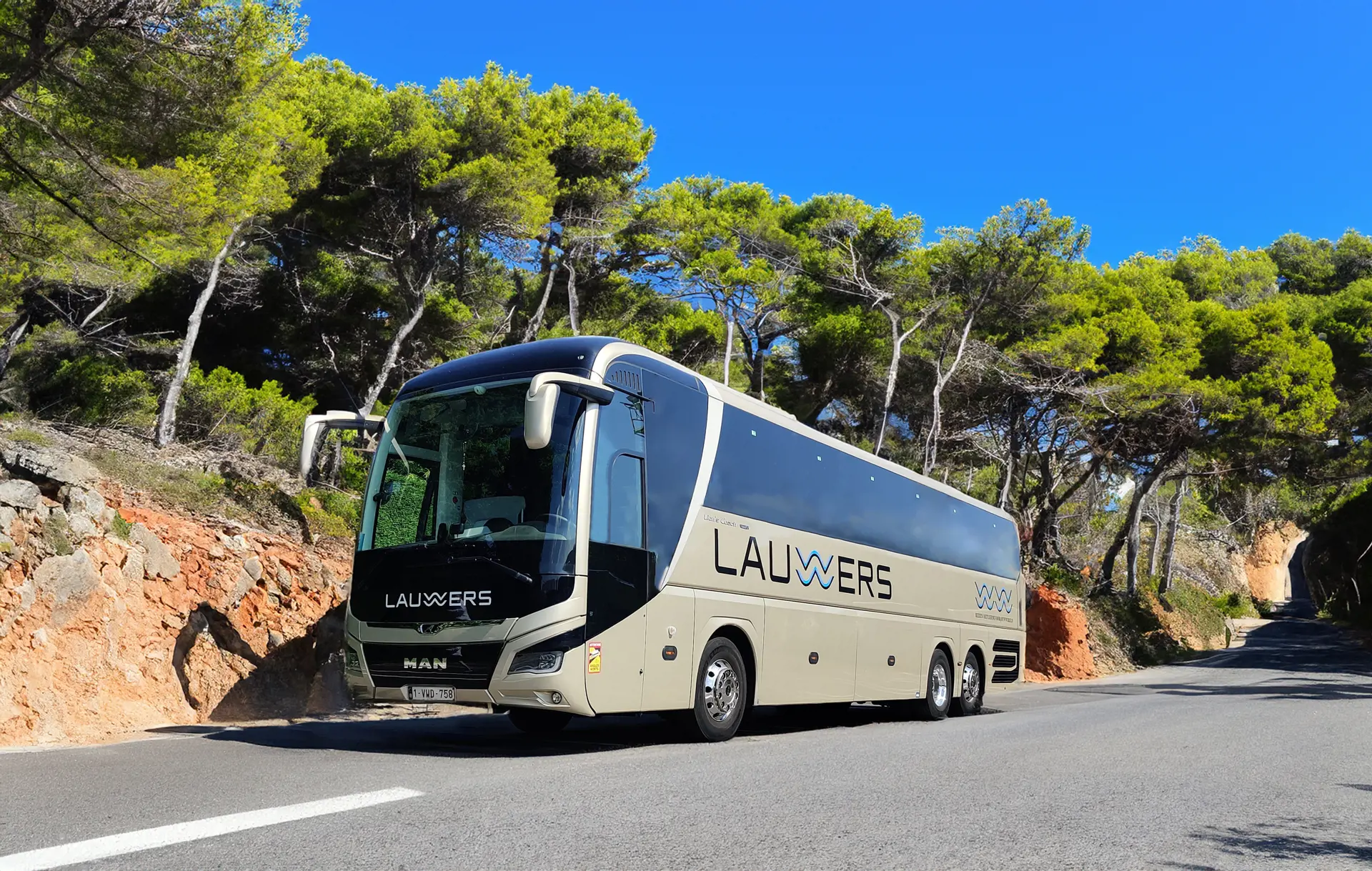
The most practical way to reach Lloret de Mar from Tossa de Mar is by direct bus, with departures running every hour from 08:25 to 21:25 daily. The journey takes approximately 30 minutes along the coastal GI-682 road and costs 2.6 EUR per person one-way. Services operate year-round from the Estació d'Autobusos de Tossa de Mar on Avinguda del Pelegrí.
The GI-682 coastal road connecting Tossa de Mar and Lloret de Mar opened to regular bus service in 1972, replacing what was once a rough cart track linking the two fishing villages. Today, that 13-kilometer stretch carries a steady flow of visitors moving between Tossa's medieval quarter and Lloret's beach promenade, with public transport providing the most reliable link for travelers without a car. Understanding how to get to Lloret de Mar starts with recognizing the route's simplicity. The bus departs from the central station in Tossa, follows the coastal highway through Sant Feliu de Guíxols, and terminates at Lloret's main bus station near the beachfront. The service runs without intermediate stops between the two towns, which keeps the journey time consistent. Morning departures between 08:25 and 11:25 align with day-trip schedules, while evening services accommodate visitors returning from Lloret's restaurants and nightlife venues. The regularity of the schedule means missed connections rarely result in long waits. The route itself offers a practical window into Costa Brava geography. Passengers see the transition from Tossa's protected coves and pine-covered headlands to Lloret's wider bay and developed waterfront. The bus passes through sections where the road hugs cliffs above the Mediterranean, then descends into valleys where small beaches nestle between rock formations. These views explain why the coastal highway remains a preferred route even as inland motorways offer faster connections to Girona and Barcelona. Traveling to Lloret de Mar by bus requires minimal preparation. Tickets are purchased directly from the driver using cash or card, and luggage space accommodates standard day packs and small suitcases. The fare structure remains flat regardless of the time of day, and no advance reservation is necessary. For visitors planning return trips or multi-day stays, keeping the printed schedule from the bus station ensures accurate departure times, as service frequency does not increase during peak summer months. The connection between Tossa de Mar and Lloret de Mar functions as a practical artery for coastal exploration, and the bus provides the most straightforward means of making that 30-minute journey without the cost or complexity of taxis or rental vehicles.
“The GI-682 coastal road has linked Tossa and Lloret by regular bus service since 1972, transforming what was once a rough cart track into a reliable transit corridor.”
The journey from Tossa de Mar to Lloret de Mar is most commonly completed via regional bus services connecting the two coastal towns. Buses depart regularly from the primary terminal located in the town center.
Moventis Sarfa line from Estació d'Autobusos de Tossa de Mar to Lloret de Mar
GI-681 coastal road
GR-92 coastal hiking trail
Depart from the Estació d'Autobusos de Tossa de Mar located at Avinguda del Pelegrí, 25. Arriving within the recommended window helps ensure a smoother boarding process and access to seating.
The bus service between Tossa de Mar and Lloret de Mar operates on a consistent schedule throughout the week. You can plan your journey knowing the service remains identical from Monday through Sunday.
The best arrival window is 08:25–20:55, which allows travelers to secure coastal views while avoiding the congestion of end-of-day peak hours.
Clear light for coastal visibility
Direct sun can reduce visibility
Softer light for coastal viewing
Temperatures range from 12°C to 25°C
Verdict: Plan your travel between 08:25 and 20:55 during the shoulder months of May, June, September, or October for optimal conditions.
Complete these steps before your bus journey from Tossa de Mar to Lloret de Mar.
Everything you need to know about how to get to lloret de mar
You can travel between these coastal towns using the regional bus network departing from the main station. Planning how to get to lloret de mar is straightforward thanks to frequent daily connections along the Costa Brava.
The standard one-way bus fare per person is 2.6 EUR. This fee covers the transit cost between the two locations.
The best arrival window is between 08:25 and 20:55, which helps you avoid end-of-day crowds and ensures you have daylight for coastal views. When researching how to get to lloret de mar, travelers often prefer these hours for the clearest visibility of the Mediterranean landscape.
The station operates daily from 08:25 to 21:25. These consistent opening hours allow for flexible scheduling when you decide how to get to lloret de mar throughout the week.
The primary way to reach your destination is by utilizing the bus service that connects the regional transit hubs. This coastal route provides reliable access for both locals and visitors moving between these popular landmarks.
You can visit the official site at https://visittossa.com or call +34 972 364 476 for additional information regarding current schedules. The facility is located at Estació d'Autobusos de Tossa de Mar on Avinguda del Pelegrí.